MBS turns to Israel after disastrous setbacks in Yemen: report
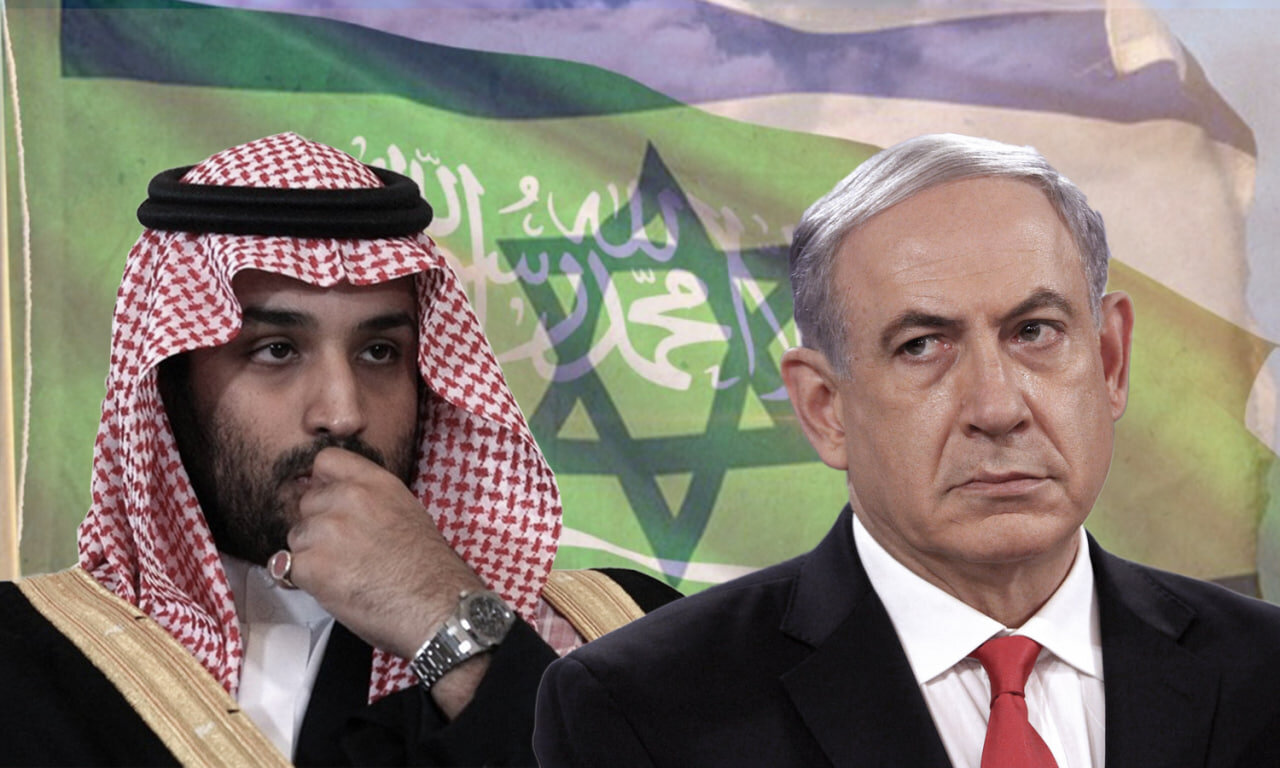
TEHRAN — Saudi Crown Prince Mohammed bin Salman has turned to Israel for “emergency intelligence assistance” through U.S. Central Command following a major collapse of Saudi-backed mercenaries in Yemen, according to reports in Israeli media outlets including Israel Hayom and The Jerusalem Post.
The reported appeal to Tel Aviv comes as Yemeni armed forces have executed a swift coastal offensive, seizing the strategic port city of Mocha alongside Zuqar Island and Perim Island.
By securing Perim, Sanaa now commands operational authority over the Bab al-Mandeb Strait.
Additionally, in his appeals to Arab states in the Persian Gulf and Egypt, bin Salman has reportedly warned that the developments in Yemen could cut off the Red Sea route Saudi Arabia uses to export oil from Yanbu.
Confronting the retreat of entire mercenary brigades along the western coastline, bin Salman has directly pressed U.S. President Donald Trump for American airstrikes against Yemeni defensive positions, according to CBS News.
Trump has so far declined direct combat intervention, limiting Washington’s involvement to sending advisers, as well as target coordination and intelligence sharing overseen by CENTCOM commander Brad Cooper during recent emergency meetings in Saudi Arabia.
Simultaneously, Bloomberg reported that Britain agreed to send military advisers after Riyadh appealed to London for help defending its energy sites, while Egypt reportedly supported the Saudi position out of fear that a closed strait would paralyze Suez Canal traffic and decimate national revenue.
Yemeni forces have matched their territorial gains on the coast with precise retaliatory strikes against military infrastructure inside the kingdom.
Brigadier General Yahya Saree confirmed that a qualitative operation using dozens of domestically manufactured ballistic missiles and combat drones heavily hit King Khalid Air Base near Khamis Mushait, neutralizing aircraft hangars, radar systems, runways, and arms depots.
Additional strikes targeted installations near Abha and Jazan, exposing the inability of Western-supplied air defense systems to safeguard Saudi military assets.
This supposed covert security coordination between Riyadh and Tel Aviv lays bare the hypocrisy of Arab monarchies pursuing normalization with the Zionist entity while the brutal Israeli genocide against Palestinians in Gaza continues unabated.
Israel may help Riyadh because it is desperate too. Yemeni naval operations have paralyzed shipping to Eilat, and Israel’s campaign of aggression against Iran has been failing.
While Saudi officials routinely claim that official diplomatic relations depend on Palestinian statehood, Riyadh’s reliance on U.S.-Israeli intelligence to fight the Yemeni Resistance may reveal its true priorities.
The reported appeal also builds on years of quiet Saudi-Israeli military and intelligence coordination under U.S. sponsorship.
The Washington Post reported in recent years that Saudi, Israeli, Emirati, and other regional officers participated in CENTCOM-led meetings and military exercises focused on intelligence sharing and integrated air defenses, while Saudi forces have intercepted Yemeni missiles launched toward Israel.
By turning to the primary oppressors of Palestine to salvage its failing aggression, the Saudi monarchy may further alienate itself from the regional Arab public, which firmly rejects Western dominance and Israeli aggression.
Leave a Comment